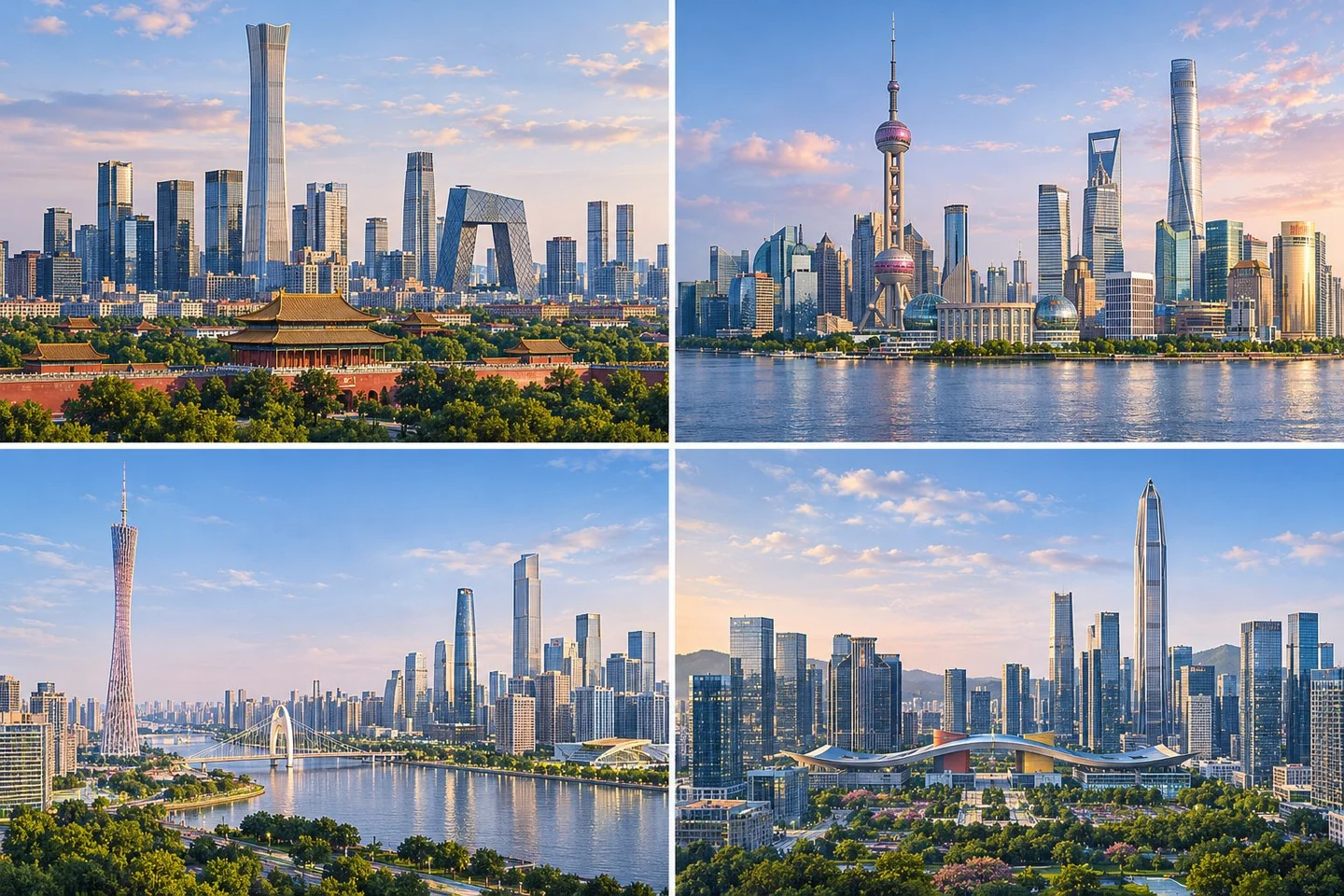
A 2026 guide for foreign investors considering company formation, trade, manufacturing, logistics and international services in China.
If you are planning to register a company in China, engage in international trade, establish a manufacturing facility or invest in logistics, you may frequently encounter the term Pilot Free Trade Zone (FTZ).
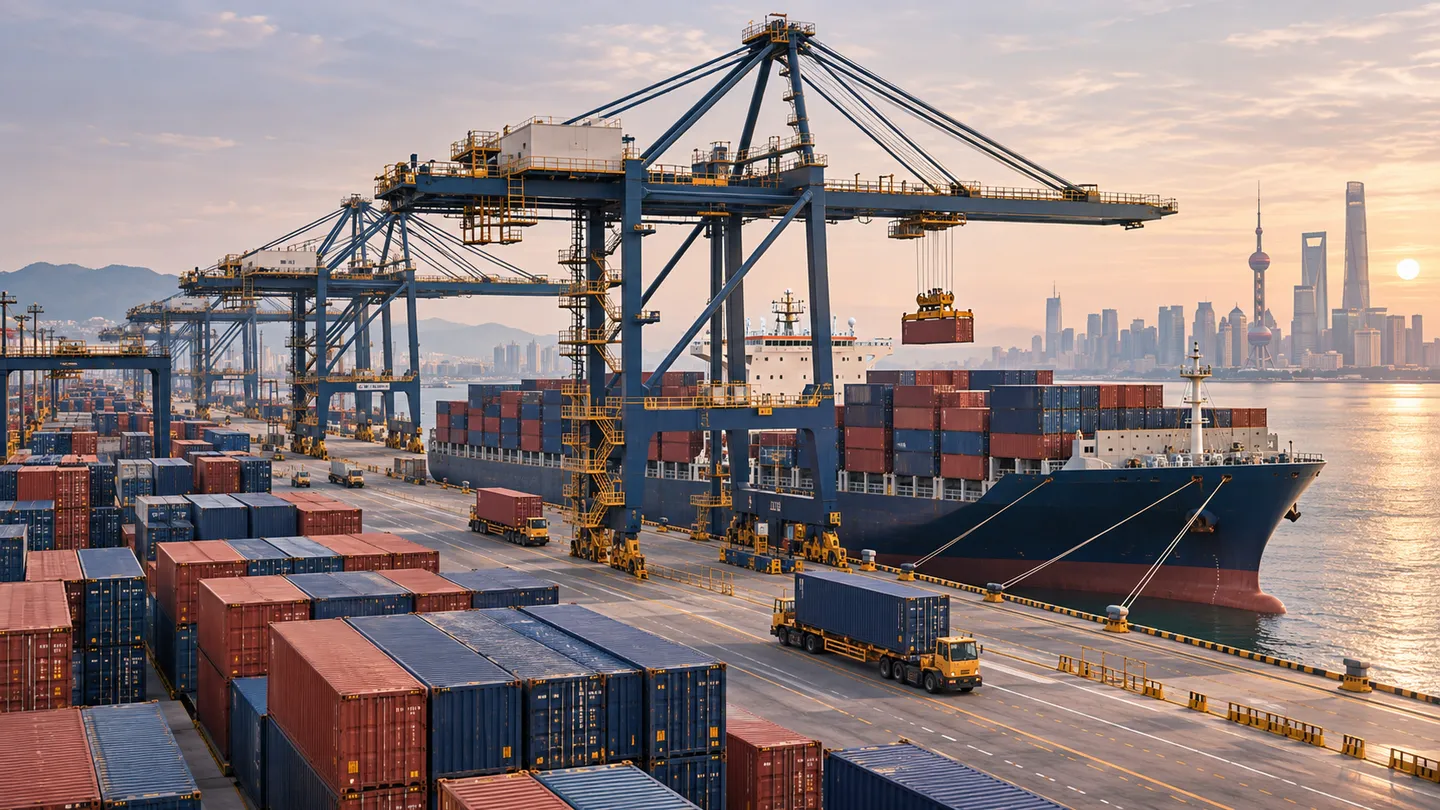
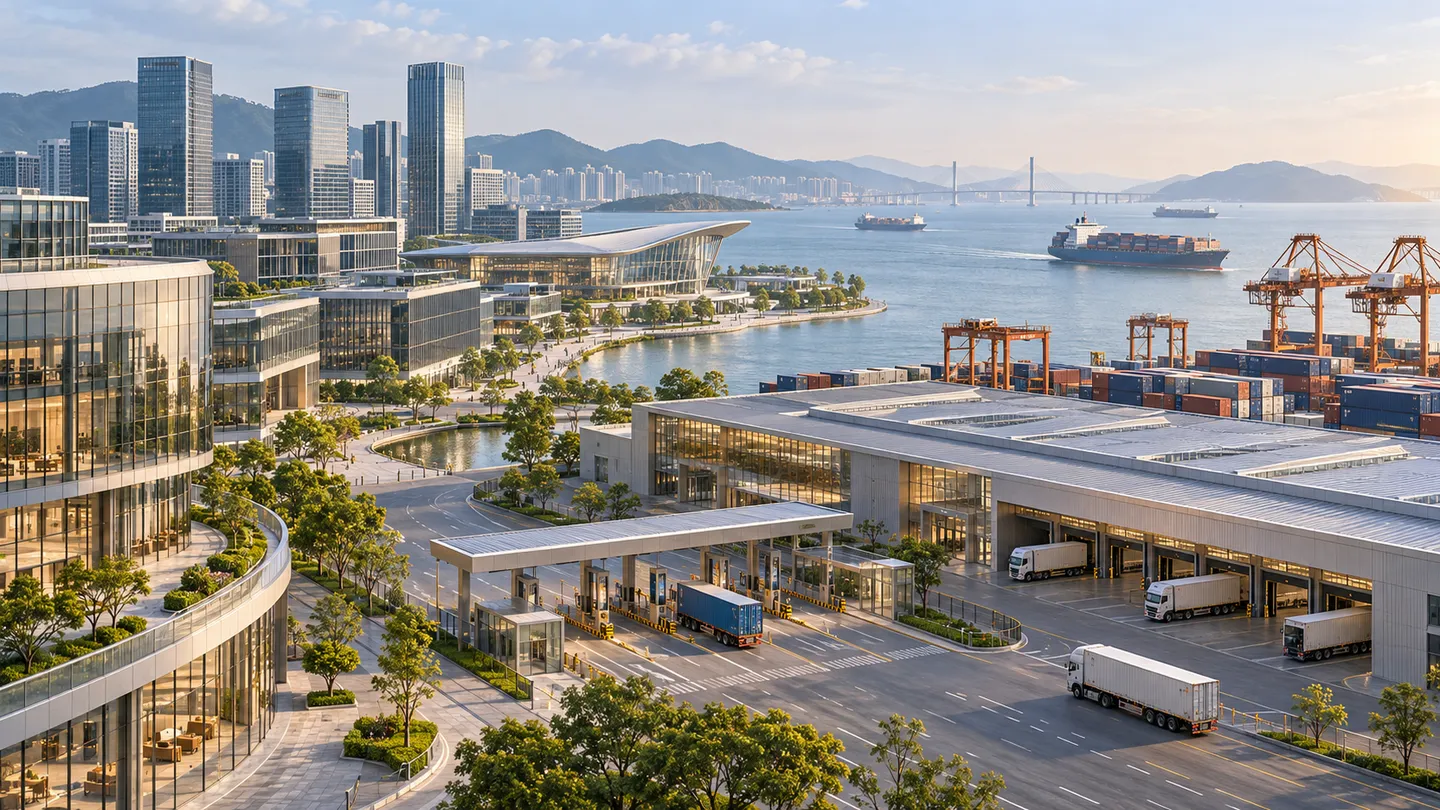
A Chinese FTZ is not simply a tax-free industrial park. It is a designated area where China pilots reforms in foreign investment, international trade, financial services, customs procedures and government administration.
China established its first pilot FTZ in Shanghai in 2013. The network subsequently expanded to coastal, inland and border regions. In April 2026, China established the Inner Mongolia Pilot Free Trade Zone, bringing the total to 23 pilot free trade zones as of November 2026.
The zones do not have identical policies or industrial advantages. Shanghai emphasizes international finance, trade and shipping; Guangdong connects closely with the Guangdong–Hong Kong–Macao Greater Bay Area; Zhejiang offers ports and commodity-related industries; and Xinjiang and Inner Mongolia serve cross-border trade routes toward Central Asia, Mongolia and Russia.
For foreign entrepreneurs, comparing their locations and industrial focus can help identify a region suited to a specific business model.
1. Where Are China's 23 Pilot Free Trade Zones?
The following table summarizes representative areas and investment directions. A city listed in this table is not necessarily entirely within an FTZ, and different subzones may follow different policies.
| No. | Pilot FTZ | Main cities or areas | Representative industries and opportunities |
|---|---|---|---|
| 1 | Shanghai | Pudong, Lingang New Area and other designated areas | International finance, shipping, trade, advanced manufacturing |
| 2 | Guangdong | Guangzhou Nansha, Shenzhen Qianhai–Shekou, Zhuhai Hengqin | International trade, modern services, Greater Bay Area cooperation |
| 3 | Tianjin | Tianjin Port, Tianjin Airport, Binhai central business area | Port logistics, financial leasing, advanced manufacturing |
| 4 | Fujian | Fuzhou, Xiamen, Pingtan | Cross-Strait trade, shipping, logistics, modern services |
| 5 | Liaoning | Dalian, Shenyang, Yingkou | Northeast Asian trade, equipment manufacturing, port logistics |
| 6 | Zhejiang | Zhoushan, Ningbo, Hangzhou, Jinyi | Commodities, shipping, digital trade |
| 7 | Henan | Zhengzhou, Kaifeng, Luoyang | Air logistics, cross-border e-commerce, equipment manufacturing |
| 8 | Hubei | Wuhan, Xiangyang, Yichang | Optoelectronics, automotive, advanced manufacturing, biomedicine |
| 9 | Chongqing | Liangjiang, Xiyong, Guoyuan Port and other designated areas | International logistics, automotive, electronics |
| 10 | Sichuan | Chengdu Tianfu New Area, Qingbaijiang Railway Port, Southern Sichuan Port | China–Europe rail freight, air logistics, modern services |
| 11 | Shaanxi | Xi'an central area, International Port Area, Yangling | Aerospace, logistics, agricultural technology |
| 12 | Hainan | Hainan Island; now governed through the Free Trade Port framework | International trade, tourism, modern services, advanced manufacturing |
| 13 | Shandong | Jinan, Qingdao, Yantai | Marine economy, intelligent manufacturing, international trade |
| 14 | Jiangsu | Nanjing, Suzhou, Lianyungang | Biomedicine, precision manufacturing, international logistics |
| 15 | Guangxi | Nanning, Qinzhou Port, Chongzuo | China–ASEAN trade, ports, cross-border logistics |
| 16 | Hebei | Xiong'an, Zhengding, Caofeidian, Daxing Airport | Digital economy, aviation-linked business, ports, advanced manufacturing |
| 17 | Yunnan | Kunming, Honghe, Dehong | Southeast Asian trade, logistics, cross-border cooperation |
| 18 | Heilongjiang | Harbin, Heihe, Suifenhe | Trade with Russia, equipment manufacturing, border logistics |
| 19 | Beijing | Science and technology innovation, international business services and high-end industry areas | R&D, digital economy, services-sector opening |
| 20 | Hunan | Changsha, Yueyang, Chenzhou | Construction machinery, cross-border trade, airport and port logistics |
| 21 | Anhui | Hefei, Wuhu, Bengbu | Technological innovation, new-energy vehicles, advanced manufacturing |
| 22 | Xinjiang | Urumqi, Kashgar, Khorgos | Central Asian trade, cross-border logistics, international transport |
| 23 | Inner Mongolia | Hohhot, Manzhouli, Erenhot | China–Mongolia–Russia trade, new energy, new materials, border logistics |
Note: The list includes Hainan's historical pilot FTZ designation; investment and customs arrangements there should now be assessed under the Hainan Free Trade Port framework. The table is a practical overview, not a legal description of each zone's exact geographic boundary.
The FTZ network now extends well beyond China's coastal trading hubs. It includes manufacturing centers in central China, inland logistics gateways and border trade areas in the northeast and northwest. Pilot FTZs therefore concern research, manufacturing and services as well as import and export activity.
2. Which FTZs Are Particularly Relevant to Foreign Investors?
Shanghai: International Trade, Finance and Multinational Services
Shanghai was China's first pilot FTZ. It is associated with reforms in international finance, shipping, trade and investment services. Its Lingang New Area also emphasizes advanced manufacturing, innovation and modern services.
For overseas businesses seeking an international trade headquarters, an import operation or a management base linked to manufacturers across the Yangtze River Delta, Shanghai deserves consideration.
Guangdong: Trade, Manufacturing and Greater Bay Area Cooperation
The Guangdong Pilot FTZ comprises Nansha, Qianhai–Shekou and Hengqin. Nansha is linked to shipping, trade and Pearl River Delta manufacturing. Qianhai–Shekou focuses on modern services and cooperation with Hong Kong. Hengqin has its own arrangements supporting cooperation with Macao.
Foreign businesses sourcing furniture, electronics and consumer goods, or establishing trading and professional-service entities, can examine these areas according to their actual activities. The Hengqin Guangdong–Macao In-Depth Cooperation Zone and the Hengqin FTZ area should not be treated as identical legal or policy boundaries.
Zhejiang: Ports, Commodities and Digital Trade
Zhejiang's pilot FTZ includes areas in Zhoushan, Ningbo, Hangzhou and Jinyi. It benefits from port infrastructure, commodity trading, digital commerce and international logistics.
Ningbo–Zhoushan is a major international port complex, while Hangzhou and the Yiwu region have strong digital-economy, e-commerce and small-commodity networks. These locations are relevant to commodity trading, sourcing, cross-border e-commerce and logistics businesses.
Hainan: A Distinct Free Trade Port Framework
Hainan differs from ordinary pilot FTZs: it has developed a separate Hainan Free Trade Port framework. Island-wide special customs operations began on December 18, 2025.
Its priority industries include modern services, tourism, high-tech industries and other activities qualifying under applicable policies. Investors considering shipping, trading, bonded processing and specific tax arrangements should study Hainan's detailed rules separately.
Zero-tariff treatment and tax incentives do not automatically apply simply because a company is registered in Hainan. Each measure has eligibility and operational requirements.
Xinjiang and Inner Mongolia: Trade Across Eurasian Land Routes
Xinjiang's FTZ includes Urumqi, Kashgar and Khorgos, connecting to Central Asian trade corridors.
The Inner Mongolia Pilot FTZ, established in 2026, comprises Hohhot, Manzhouli and Erenhot, with a stated total area of 119.74 square kilometers. Hohhot focuses on industries including new energy, new materials and biomedicine; Manzhouli on border-port services, imported-resource processing and cross-border cooperation; and Erenhot on international trade and logistics.
Companies dealing with Mongolia, Russia or Central Asian markets may find these areas relevant. They still need to assess destination-country customs rules, applicable sanctions and export controls, payment channels and transport feasibility.
3. What Are the Advantages of Establishing a Company in a Pilot FTZ?
Foreign investors generally consider FTZs because of trade and investment facilitation, selected sector-opening measures and nearby industry infrastructure—not because all businesses there are exempt from tax.
| Area | Potential advantage | Important limitation |
|---|---|---|
| Company formation | One-stop services and electronic registration in some locations | Company formation does not automatically grant a foreign shareholder a work permit |
| Foreign investment access | FTZ-related negative-list rules and selected opening-up pilots | Not all sectors are open without restrictions |
| Customs and international trade | Streamlined processes in some areas | Being within an FTZ does not automatically grant bonded or tariff-free status |
| Cross-border finance | Selected settlement, financing or financial innovation pilots | Bank due diligence and foreign-exchange regulations still apply |
| Industry incentives | Possible local funding, talent programs or industrial support | Eligibility often depends on the industry and substantive operations |
| International logistics | Access to seaports, airports, rail terminals or border crossings | Actual costs depend on cargo, location and route |
The central concept is institutional reform and trade facilitation, not blanket tax exemption.
For example, a general consulting business registered in Shanghai's pilot FTZ does not automatically receive a reduced corporate income tax rate. Similarly, a Guangdong FTZ trading company importing ordinary goods for sale in the mainland does not avoid import duties solely because of its registered address.
A Pilot Free Trade Zone is also not the same as a Comprehensive Bonded Zone. The former is a policy reform platform; the latter is a special customs-supervision area with specific bonded customs arrangements. Their boundaries can overlap, but their legal functions are different.
4. How Should Foreign Entrepreneurs Choose an FTZ?
An FTZ designation should not, by itself, determine where to incorporate. Start with the products or services you will offer, the location of your customers and suppliers, logistics, staffing and the requirements of any specific incentives.
| Business activity | FTZs worth investigating |
|---|---|
| International trade headquarters and professional services | Shanghai, Beijing, Guangdong |
| Consumer goods sourcing and import-export trade | Guangdong, Zhejiang, Fujian |
| Shipping and port logistics | Shanghai, Tianjin, Zhejiang, Shandong, Guangxi |
| R&D, software and advanced manufacturing | Beijing, Shanghai, Jiangsu, Anhui, Hubei |
| Machinery and industrial manufacturing | Jiangsu, Liaoning, Shandong, Hunan |
| Trade with ASEAN markets | Guangxi, Yunnan |
| Trade with Central Asia, Russia and Mongolia | Xinjiang, Heilongjiang, Inner Mongolia |
| Specific Hainan Free Trade Port industries | Hainan |
Before signing a lease or registering a company, verify whether the proposed office address is inside the FTZ's legally designated area. Registering in Guangzhou, for instance, does not automatically mean registering within the Nansha FTZ area.
Even an address inside an FTZ does not make a company eligible for every incentive. Confirm the actual eligibility criteria, application period and operating requirements with the relevant local authority.
Official Sources and Further Reading
- Ministry of Commerce — Department of Pilot Free Trade Zone and Free Trade Port Coordination: https://zmqgs.mofcom.gov.cn/
- Ministry of Commerce — Guide to Foreign Investment in China (2025): https://fdi.mofcom.gov.cn/come-newzonghe.html?comeID=2&parentId=117
- State Council / MOFCOM — Overall Plan for the China (Inner Mongolia) Pilot Free Trade Zone: https://www.mofcom.gov.cn/zcfb/zgdwjjmywg/art/2026/art_d08ef36185fb4325b1c605ab755da5d8.html
- Ministry of Commerce — October 2026 briefing on pilot FTZ development: https://interview.mofcom.gov.cn/detail/202610/ff808081a143defb01a1775b25aa0060.html
- Jinan FTZ — Explanation of pilot FTZs, bonded zones and comprehensive bonded zones: https://ftz.jinan.gov.cn/col/col67633/art/2026/art_b4f81b519c0948789b343207ec33f757.html
Information current to November 2026. Sector descriptions are indicative and are not a substitute for checking current access rules, incentives and legally defined FTZ boundaries.